
The Future of Smart Homes: Trends and Innovations for 2025
The Future of Smart Homes: Trends and Innovations for 2025
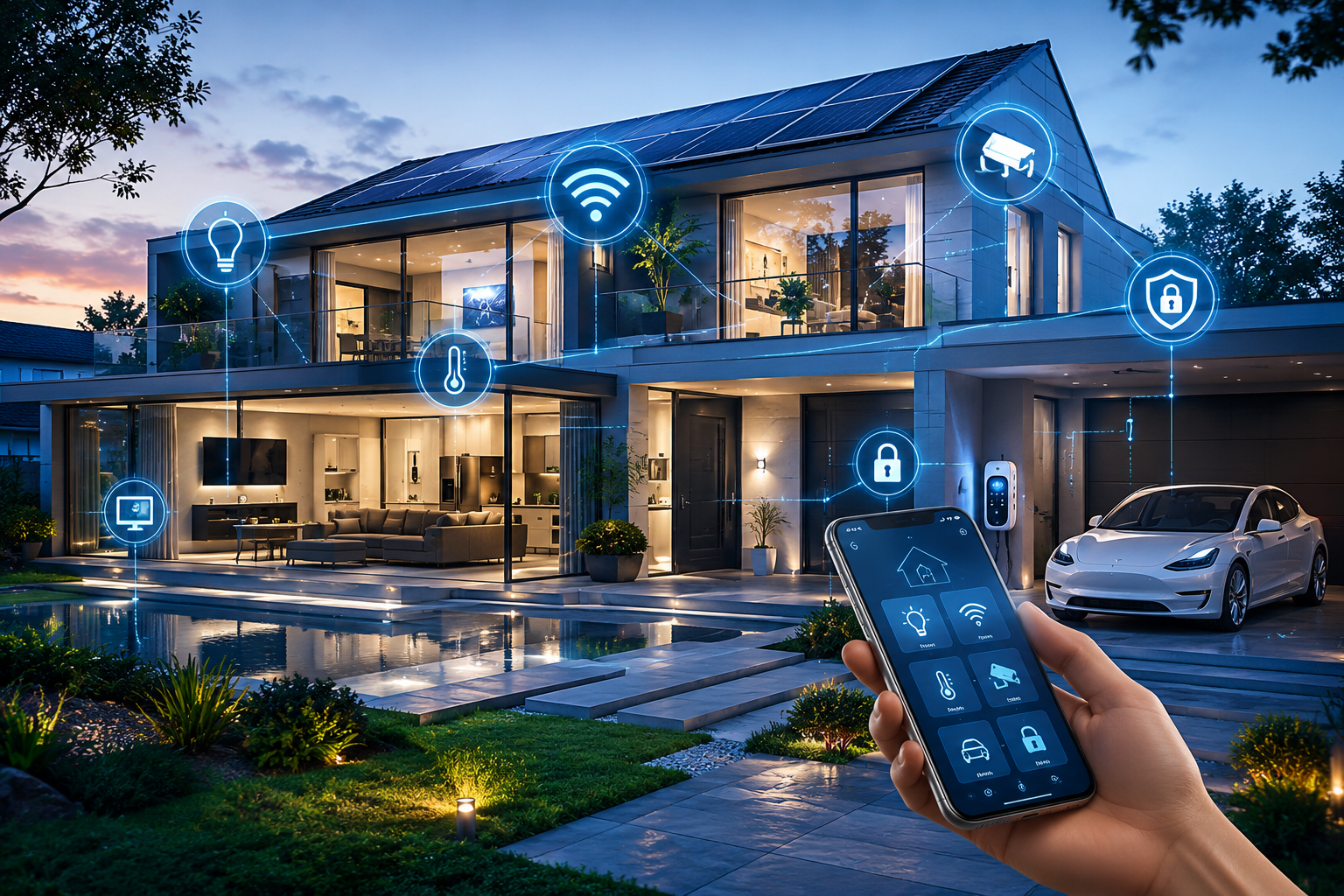
Smart homes are evolving faster than ever, transforming the way people live, work, and interact with their surroundings. In 2025, smart home technology is becoming more intelligent, energy-efficient, and seamlessly connected. From AI-powered automation to enhanced security and sustainable living, the future of smart homes is all about creating spaces that are convenient, safe, and personalized.
🏠 Why Smart Homes Are the Future
Greater Convenience:
Modern smart homes automate everyday tasks such as lighting, climate control, entertainment, and appliance management, making daily life easier and more efficient.
Enhanced Security:
Advanced security systems with AI-powered cameras, smart locks, motion sensors, and real-time mobile alerts help homeowners protect their properties from anywhere.
Improved Energy Efficiency:
Smart devices optimize electricity consumption by automatically adjusting lighting, heating, cooling, and appliances, reducing energy bills and environmental impact.
Personalized Living Experience:
Artificial Intelligence learns your habits and preferences, automatically creating the ideal environment based on your daily routine.
🚀 Top Smart Home Trends and Innovations for 2025
1. AI-Powered Home Automation
Artificial Intelligence is making homes smarter by learning user preferences and automating routines such as adjusting lighting, room temperature, music, and security settings without manual input.
2. Matter-Enabled Smart Devices
The Matter standard is improving compatibility between smart home brands, allowing devices from different manufacturers to work together seamlessly on a single platform.
3. Advanced Home Security Systems
Smart security is becoming more intelligent with facial recognition, AI-based motion detection, package detection, smart locks, video doorbells, and 24/7 remote monitoring.
4. Smart Energy Management
Homes are becoming more energy-conscious with smart thermostats, energy-monitoring systems, solar integration, and automated power management that reduce electricity usage and lower utility costs.
5. Voice and Gesture Control
Voice assistants continue to evolve while gesture-based controls are emerging, allowing homeowners to control lighting, entertainment, and appliances with simple voice commands or hand movements.
6. Health and Wellness Technology
Smart homes now include air quality monitors, smart air purifiers, sleep tracking systems, circadian lighting, and connected health devices that promote healthier indoor living.
7. Intelligent Kitchen Appliances
Connected refrigerators, ovens, coffee machines, and dishwashers can be monitored and controlled remotely, helping users save time and reduce food waste.
8. Smart Home Entertainment
Multi-room audio systems, immersive home theaters, and AI-powered entertainment platforms deliver personalized experiences while integrating effortlessly with other smart devices.
9. Sustainable Smart Living
Eco-friendly homes are using automated irrigation systems, smart water leak detectors, energy-efficient lighting, and renewable energy integration to support sustainable lifestyles.
10. Predictive Home Maintenance
AI-powered systems monitor appliances and home equipment, detecting potential issues before they become costly repairs and helping homeowners maintain their property proactively.
🌟 Benefits of Future Smart Homes
Prioritize Your Needs:
Invest first in devices that provide the greatest daily value, such as smart lighting, plugs, or security cameras.
Look for Combo Deals:
Many brands offer discounted starter kits that include multiple smart devices at a lower overall price.
Use Energy-Efficient Devices:
Choose products designed to reduce electricity usage, helping you recover your investment through long-term savings.
Expand Step by Step:
Build your smart home gradually instead of buying everything at once, allowing you to spread out costs while learning which features are most useful.
💡 Tips for Building a Future-Ready Smart Home
Choose Compatible Devices:
Select products that support universal standards like Matter or work with popular platforms such as Amazon Alexa, Google Home, or Apple Home.
Prioritize Security:
Use strong passwords, enable two-factor authentication, and regularly update device firmware to keep your smart home secure.
Invest in Energy-Efficient Products:
Choose smart lighting, thermostats, and appliances that help reduce electricity consumption while maintaining comfort.
Expand Gradually:
Start with essential devices such as smart lighting or security systems, then add more automation features based on your lifestyle and budget.
Conclusion
The future of smart homes in 2025 is centered around intelligence, convenience, security, and sustainability. As Artificial Intelligence, connected devices, and energy-efficient technologies continue to advance, homeowners can enjoy living spaces that automatically adapt to their needs while improving comfort and reducing operating costs. Investing in smart home technology today not only enhances everyday living but also prepares your home for the connected future.
Looking to Build a Future-Ready Smart Home?
At Build Your Space, we help homeowners create modern, stylish, and intelligent living environments by combining innovative interior design with the latest smart home technologies. Whether you’re planning a new home or upgrading an existing one, our expert solutions are tailored to deliver comfort, efficiency, security, and long-term value.